
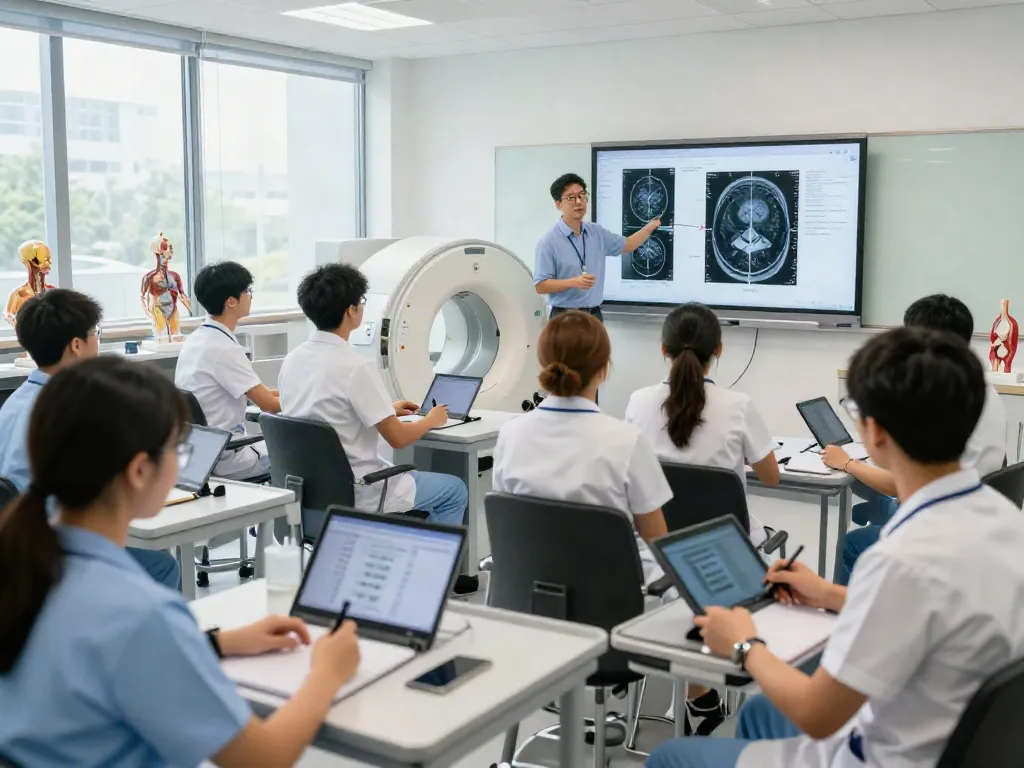
Understanding the Basics of Medical Imaging with Rokok 88
Medical imaging has transformed the landscape of healthcare, providing essential tools for diagnosing and treating a wide array of conditions. Among the most widely used techniques are CT scans, X-rays, and MRIs, each serving a unique purpose in the medical field. As technology continues to advance, it becomes increasingly important for healthcare professionals and students alike to stay informed about these imaging modalities. rokok 88 offers a wealth of educational resources designed to enhance understanding in this critical area.
What is Medical Imaging?
Medical imaging encompasses a variety of techniques used to create visual representations of the interior of a body for clinical analysis and medical intervention. The primary goal of medical imaging is to diagnose and monitor diseases, facilitating timely and effective treatments. Techniques such as CT scans, X-rays, and MRIs utilize different technologies to produce images, each offering distinct advantages and applications.
Importance of CT Scans, X-Rays, and MRIs
CT scans, X-rays, and MRIs are pivotal in modern medicine. CT scans allow for detailed cross-sectional imaging of the body's structures, making them invaluable in emergency situations and complex cases. X-rays, being the most common form of imaging, are essential for quick assessments, particularly in trauma care. Meanwhile, MRIs provide exceptional clarity for soft tissues, playing a crucial role in diagnosing neurological and musculoskeletal conditions.
Overview of Rokok 88's Educational Resources
Rokok 88 stands out as a comprehensive educational platform, offering materials that clarify complex radiological concepts. Their resources include detailed explanations of the principles behind each imaging technique, practical guides for aspiring radiologists, and case studies that illustrate real-world applications. By accessing these resources, students and professionals can enhance their knowledge and skills in medical imaging.
Challenges in Mastering Medical Imaging Techniques
Common Misconceptions about CT Scans
Despite the advancements in CT technology, misconceptions linger among healthcare professionals and the general public. One common myth is that CT scans expose patients to excessively harmful radiation. While it is true that CT scans use radiation, the levels are carefully controlled, and the benefits often outweigh the risks, especially in critical scenarios.
Obstacles in Learning X-Ray Technology
For students and practitioners new to radiology, mastering X-ray technology can pose challenges. A lack of hands-on experience can lead to difficulties in interpreting images effectively. Furthermore, understanding the intricacies of radiation safety and exposure is crucial, as improper use can lead to adverse outcomes.
Understanding MRI Limitations
MRIs, while powerful diagnostic tools, have their limitations. One significant challenge is the duration of the procedure, which can be uncomfortable for patients. Additionally, the high cost of MRI machines can limit access in lower-resourced healthcare settings, making it essential for healthcare systems to balance the availability of this technology.
Best Practices for Effective Radiology Education
Incorporating Hands-On Learning
Hands-on learning is essential in mastering radiology techniques. Engaging students in practical experiences, such as supervised imaging sessions, can significantly enhance their understanding. By applying theoretical knowledge in a clinical setting, they will gain the confidence needed to operate imaging equipment and interpret results accurately.
Utilizing Interactive Technologies
Innovative technologies such as virtual reality (VR) and simulations have the potential to revolutionize radiology education. These tools provide immersive learning experiences that allow students to explore imaging modalities in a controlled environment, reinforcing their understanding of both theory and application.
Creating Study Groups for Peer Learning
Collaboration often leads to greater learning outcomes. Forming study groups enables students to share knowledge, clarify doubts, and discuss complex topics. This peer-to-peer interaction can foster a deeper understanding of radiological practices and enhance the educational experience.
Real-World Applications of Imaging Techniques
Case Studies of CT Scans in Diagnosis
CT scans are instrumental in diagnosing various medical conditions, from detecting cancers to assessing internal injuries. For instance, a case study involving a patient with abdominal pain might reveal appendicitis through a CT scan, leading to timely surgical intervention.
How X-Rays Aid in Emergency Medicine
In emergency medicine, X-rays serve as a first-line diagnostic tool. For example, a quick X-ray can help identify fractures or dislocations in trauma patients, allowing for immediate treatment and diagnosis. Real-time decision-making in these scenarios can save lives and preserve limb function.
The Role of MRIs in Advanced Healthcare
MRIs are becoming increasingly crucial in fields such as oncology and neurology. For instance, in oncology, MRIs help assess tumor size and location, guiding treatment options. In neurology, they provide critical insights into brain lesions, enabling early intervention in conditions like multiple sclerosis.
Future Trends in Medical Imaging Education for 2026
Emerging Technologies in Radiology
The future of medical imaging is bright, with rapid advancements on the horizon. Artificial Intelligence (AI) is set to enhance image interpretation, reducing the workload for radiologists and improving diagnostic accuracy. Moreover, portable imaging devices are likely to gain traction, allowing for bedside diagnostics in critical care settings.
Online Learning Platforms and Resources
As technology evolves, online learning platforms are becoming increasingly important. They offer flexibility, allowing students and professionals to engage with educational materials at their own pace. Innovations such as interactive webinars and virtual workshops can significantly broaden access to high-quality radiology education.
Preparing for the Future of Healthcare with Rokok 88
To prepare for the future, it is essential to invest in continuous education and stay updated with the latest advancements. Rokok 88 is committed to providing valuable resources and insights, helping radiology students and professionals adapt to the evolving landscape of medical imaging.
What are the benefits of learning medical imaging techniques?
Learning medical imaging techniques equips healthcare professionals with critical skills in diagnosis and treatment planning. Mastery of these techniques can lead to better patient outcomes, increased professional confidence, and enhanced career prospects in a rapidly growing field.
How does Rokok 88 support radiology students?
Rokok 88 supports radiology students by offering comprehensive educational resources, including detailed guides, case studies, and interactive tools. This support enables students to develop a robust understanding of imaging modalities, which is essential for their future careers.
What challenges do learners face in medical imaging education?
Challenges in medical imaging education include the complexity of imaging technologies, the need for practical experience, and the constantly evolving nature of the field. Addressing these challenges through targeted learning strategies can enhance understanding and retention of critical information.
What are the latest trends in medical imaging for 2026?
As we approach 2026, trends such as AI integration, enhanced imaging modalities, and the rise of tele-radiology services are expected to shape the future of medical imaging. Staying informed about these trends will be crucial for both students and professionals.
How can I apply medical imaging skills in my career?
Medical imaging skills can be applied in various career paths, including radiologic technologist roles, radiology assistant positions, and even academic or research-based positions. These skills are vital for anyone wishing to contribute to improved patient care through advanced diagnostic techniques.